
At Umpf, we help consumer brands – from household names to hungry start-ups – cut through the noise with standout campaigns that people remember. Whether it’s press office support, headline-grabbing stunts or full-blown integrated campaigns, our work makes a splash across traditional, digital and social media.
We’re known for ideas that turn heads and deliver real-world results. So if you’re looking to build brand love, boost awareness or drive sales, our team is here to help. Read more about our consumer PR campaigns, below, and get in touch to find out how Umpf can deliver a successful PR campaign for your brand.
Read on for:
- What is consumer PR?
- Our approach
- What we do
- Why choose Umpf as your consumer PR agency?
- Our 5 favourite Umpf consumer PR campaigns
- Consumer PR FAQs
What is Consumer PR?
Consumer PR – also known as B2C PR – is about building awareness and reputation with the people who buy your products or services. It could be a launch, a story, a stunt, or a reactive moment – but it’s always about connecting with your audience in a way that feels relevant and timely.
Our work spans media relations, social-first campaigns, influencer partnerships, brand activations, product placement and everything in between. We combine insight, creativity and solid execution to help brands show up in the right place at the right time.
Our Approach
We don’t believe in cookie-cutter campaigns. Every brief is different – so we start by understanding your audience, your objectives and your brand inside out.
Insight-led – We use audience insight and media know-how to shape stories that land.
Creative-first – Ideas need to be strong, not just shouty. We aim for work that earns attention, feels culturally relevant and has a strong role for PR at its heart.
Connected – Our teams have deep relationships across media and influencer spheres – from national news desks to TikTok creators.
Results-focused – We measure what matters, from coverage and engagement to conversions, depending on your goals.
What We Do
We offer both retained and project-based consumer PR support, tailored to fit your brief. Our services include:
- Press office and media relations
- Campaign launches and product PR
- PR stunts
- Events & experiential PR
- Influencer and creator campaigns
- Thought leadership and brand storytelling
- Social and digital PR
- Crisis and issues support
Why choose Umpf as your consumer PR agency?
- More than 15 years’ experience delivering consumer PR campaigns across the UK
- Trusted by leading household-name brands across retail, travel, lifestyle and more
- Award-winning campaigns that drive headlines and love for the brand
- An agile, collaborative team with a hands-on, can-do approach
- An end-to-end offering: from creative concepts to flawless delivery and post-campaign reports
Our 5 Favourite Umpf Consumer PR Campaigns
1. Award-winning consumer PR campaign makes Clarks Village top dog for shopping

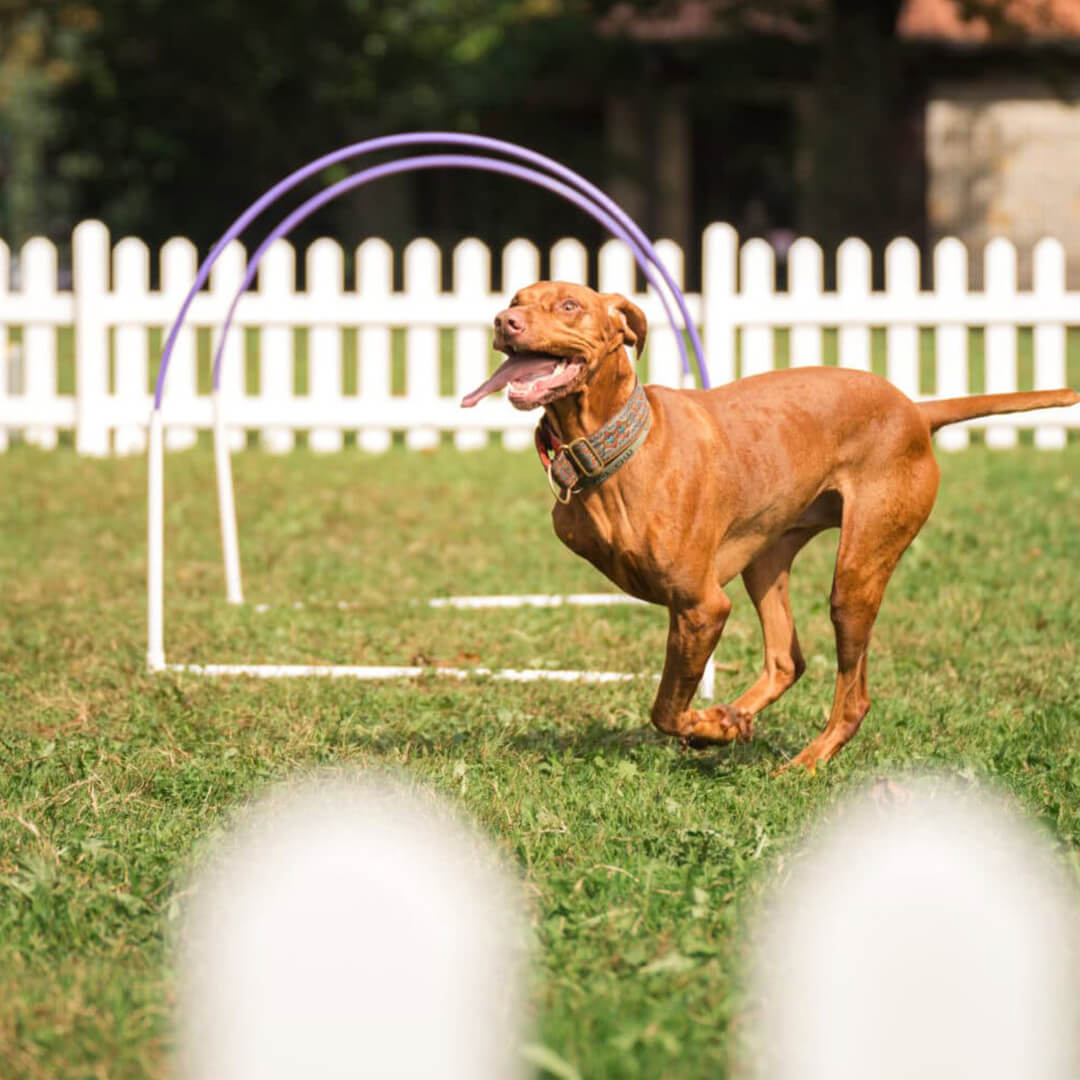
To showcase the dog-friendly benefits of shopping outlet Clarks Village, we created the Pawsome Pooch concept, an event celebrating all things dog. Praised as a “clever, feel-good campaign that delivered a creative and engaging experience with a limited budget” by judges at the national CIPR Excellence Awards 2025, the campaign scooped the top award in the ‘Best Beauty, Fashion, and Lifestyle’ category.
Read more about how we executed the barking mad campaign.
2. Cook’s Club gets travel media talking
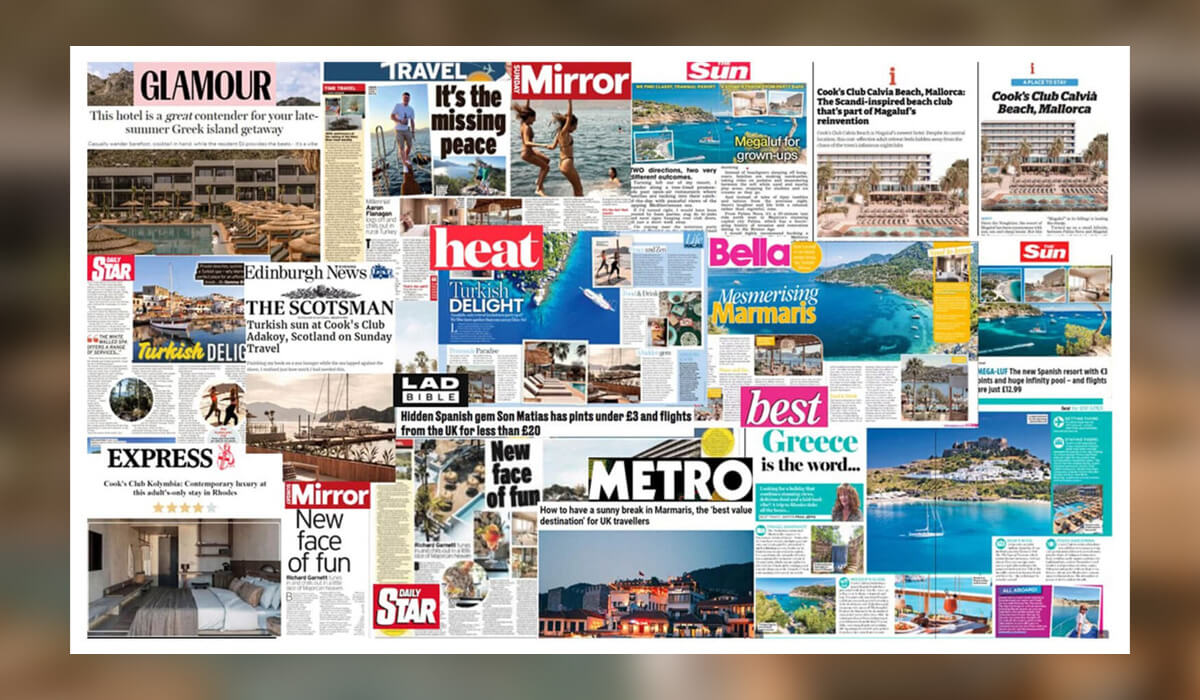
To support the launch of Cook’s Club hotels in Greece, Türkiye and Mallorca, we ran a targeted consumer PR campaign focused on high-quality press trips, influencer visits and media outreach. We hosted national travel journalists, organised bespoke itineraries, and managed everything from travel to post-trip content. Coverage highlights included The Sun, Metro and LADbible, supported by social competitions and influencer content to drive further visibility, with a total campaign reach of 159.7 million.
Read more about making a splash with Cook’s Club.
3. Consumer PR campaign for Morphy Richards unearths 85 years of stories
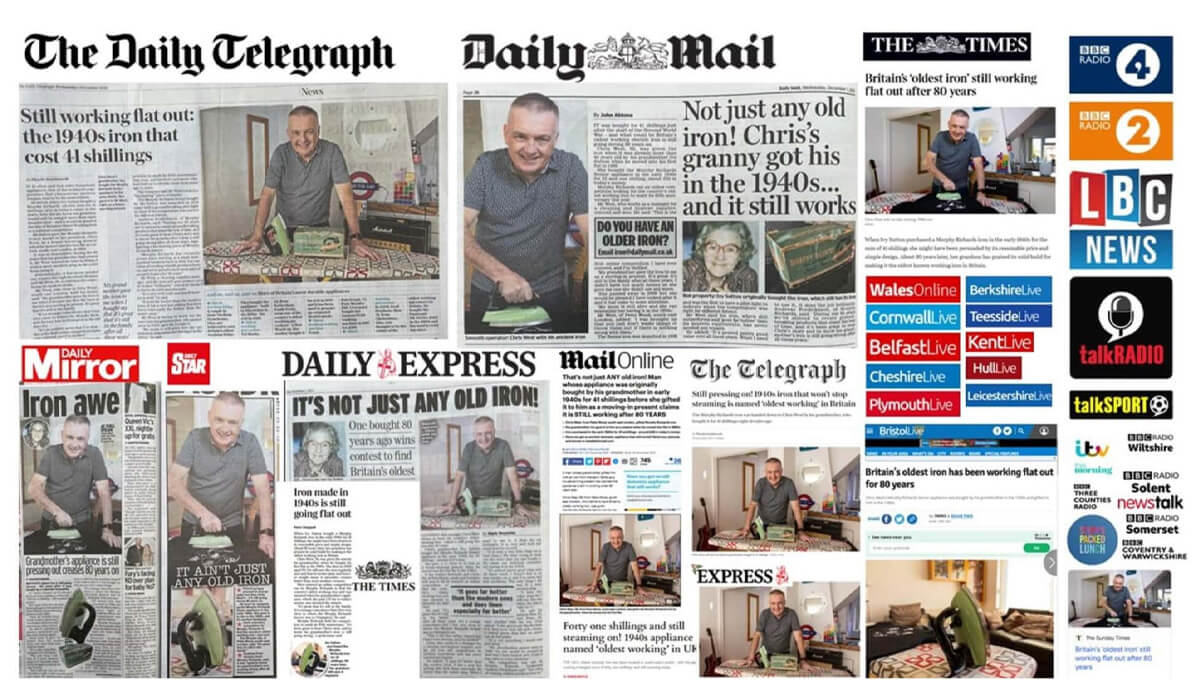
To celebrate Morphy Richards’ 85th anniversary, we devised a two-stage PR campaign. First, we launched a nationwide search for the oldest working Morphy Richards appliance, then teamed up with CBeebies presenter Grace Webb to run a “design the appliance of the future” competition for primary-school children. Against a target of 15 cuttings, the campaign secured 103 press mentions and achieved 175 million media reach, with national print features, BBC Radio slots and TV coverage. Social channels saw record engagement, and the campaign picked up two PR Moment Awards: Integrated Communications Campaign of the Year and Media Relations Campaign of the Year.
Read more about how we celebrated 85 years of reliability.
4. Retail Consumer PR Campaign of the Year: Nessa’s Grand Arcade
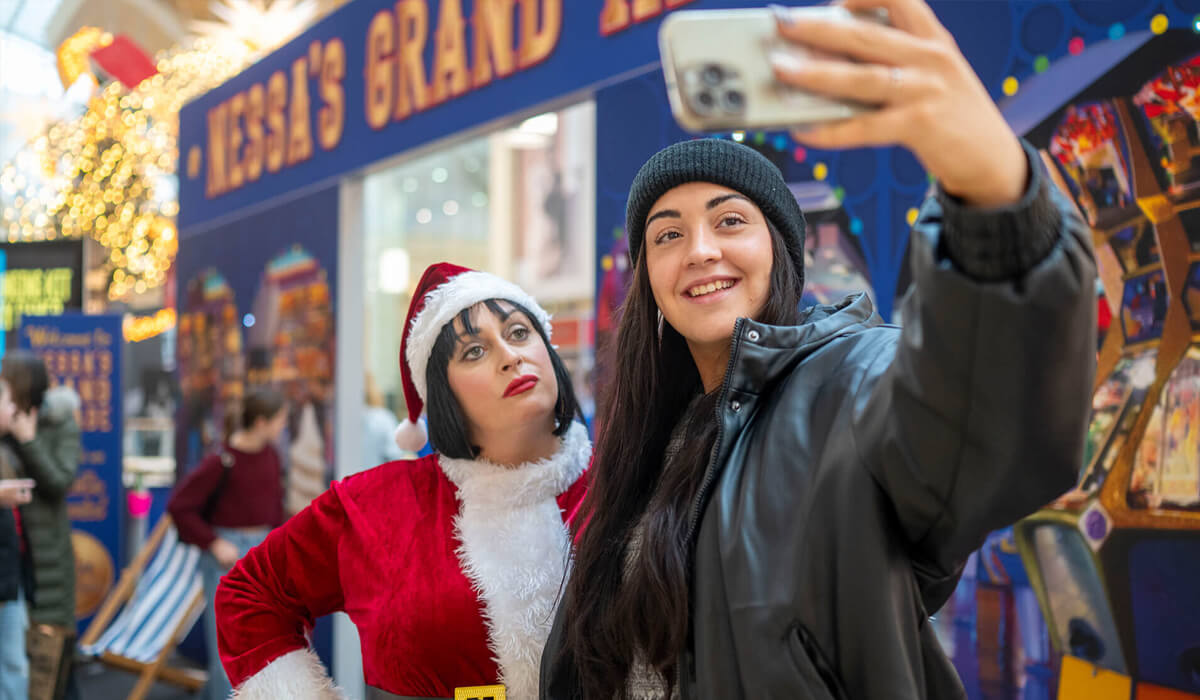
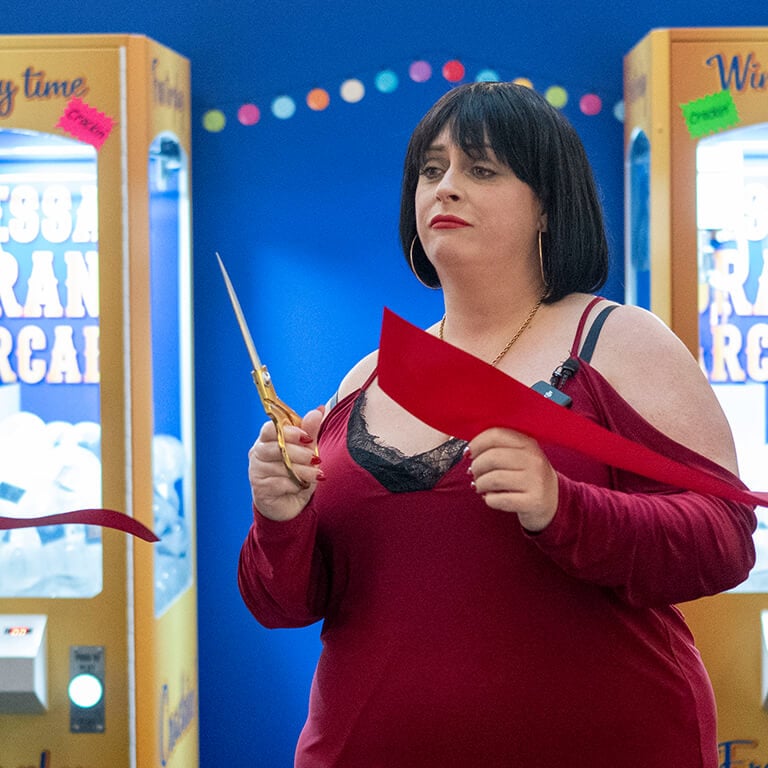
Oh, what’s occurring? Creating buzz and driving footfall ahead of the much-anticipated Gavin & Stacey finale, we created a real-life ‘Nessa’s Slots’ inside St David’s Cardiff – which garnered praise from actor Ruth Jones herself. The campaign won ‘Best PR Event of the Year’ and a silver for ‘Health, Beauty, Retail, & Fashion Marketing Communications Campaign of the Year’ at the 2025 PR Moment Awards, and was shortlisted for ‘Best Event’ at the CIPR Excellence Awards 2025.
Check out how we pulled this award-winning event off in just three weeks.
5. Belling’s energy-saving recipe book cuts costs—and gets headlines
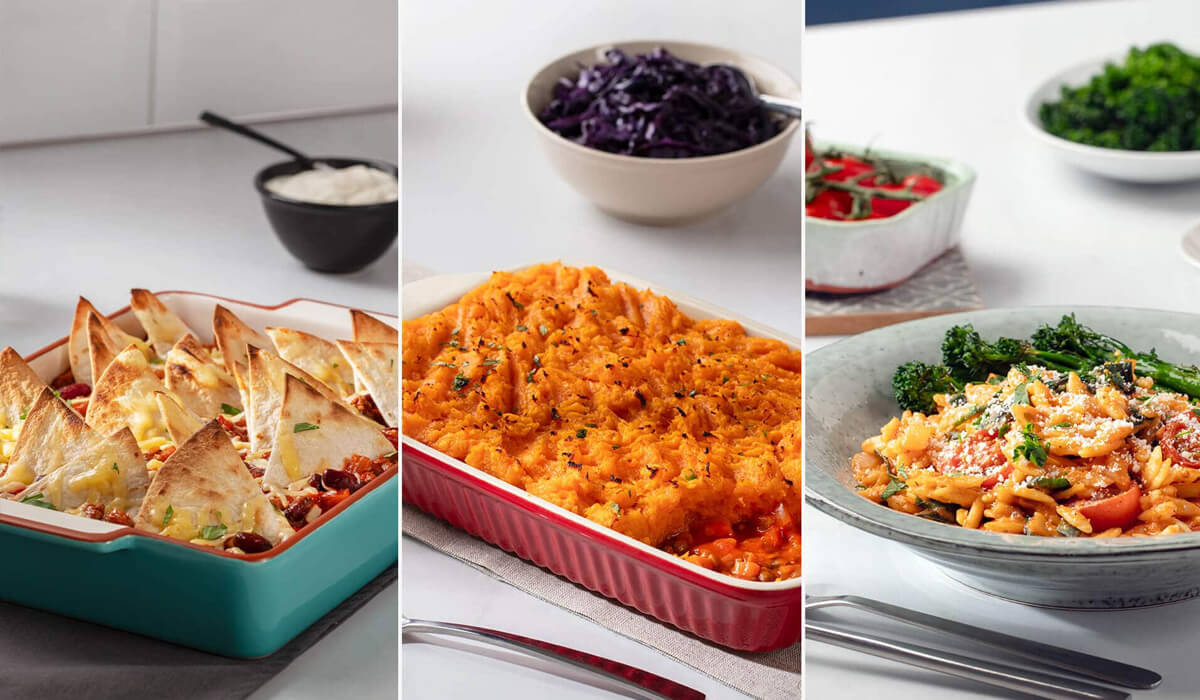
We partnered with Belling and a home economist to create ten low-energy versions of classic recipes during the energy and cost-of-living crises. The recipes were complete with savings calculations in a free resource to consumers. We launched the energy-saving recipe book via press outreach, social content and collaborations with three food creators. The campaign secured 195 media placements—including features in the Mirror, Express and Metro—reaching 18 million. The campaign was shortlisted for three awards across the 2025 CIPR Awards and PR Moment Awards.
Read more about how we helped Belling cook up cost-saving attention.
Consumer PR FAQs
What’s the difference between consumer and corporate PR?
Consumer PR is focused on the public – building brand awareness and engagement through media, social and influencer channels. Corporate PR tends to target stakeholders, investors or industry audiences.
Do you only work with big brands?
No. We work with a mix of well-known brands and fast-growing challengers. If the brief is right, we’re interested.
Can you work on short-term campaigns?
Yes. We offer everything from short bursts of campaign support to fully retained PR programmes.
Do you offer integrated campaigns?
Absolutely. We’re set up to deliver campaigns that blend PR, social, influencer and content – all in-house.
How do you report results?
We tailor reporting to your goals, including metrics such as media reach and sentiment, to media titles.